
For every
chapter for your
motherhood.

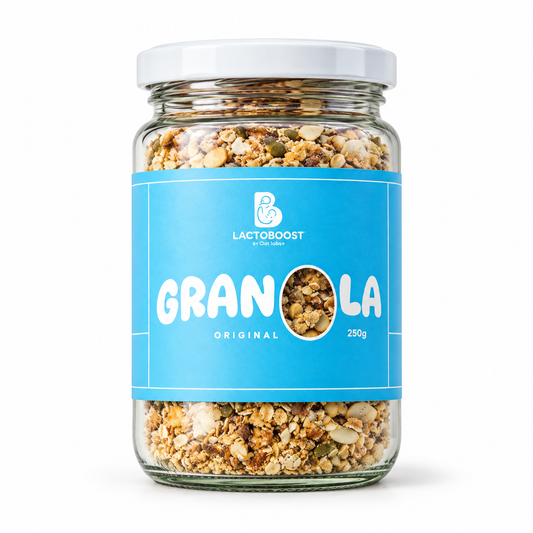
Thoughtfully  made nourishment for you and your little one
 through pregnancy,  breastfeeding and beyond.

Shop now
With you, from bump to big kid

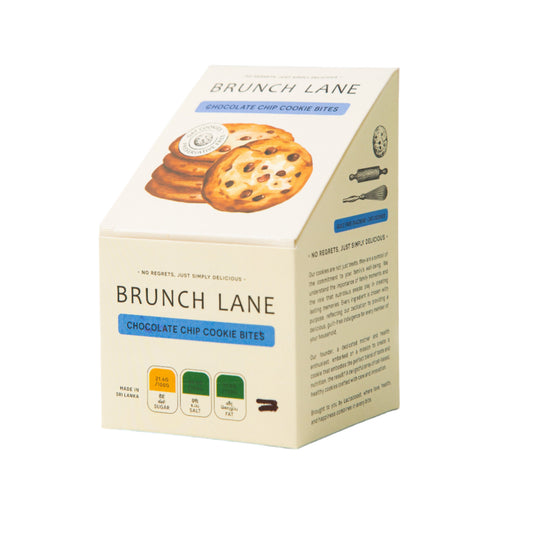
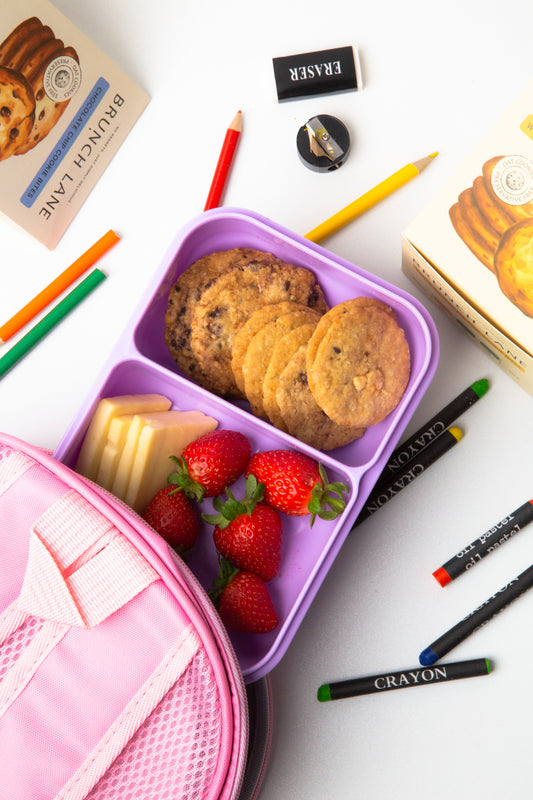
Little Bites, Big Moments

Wholesome, delicious choices created for growing little ones and their everyday adventures.

Shop now
With you, from bump to big kid

Together in Motherhood

A welcoming community where moms connect, share experiences, learn and grow together.

Shop now
With you, from bump to big kid

Celebrating Our Journey

Recognizing the awards, milestones and meaningful moments that continue to shape the Mamella story.

Shop now

Find
Mamella
Nearby

Three young girls standing side by side holding blue and white signs that read 'SAME COOKIE.', 'SAME CARE.

WHY LACTOCARE?

Because feeding your baby begins with nourishing you.

Made with carefully chosen ingredients that come together to support breastfeeding moms in an everyday cookie that's easy to reach for when your day feels full

Learn about lactation cookies →
01

Purposeful ingredients

Made thoughtfully Wholesome goodness of finger millet, jackfruit flour and chickpea flour.

02

Made for real mum-life

For cravings that surprise you Something comforting when pregnancy makes every craving feel different.

03

Honest support

The journey A little something to enjoy through every changing month ahead.

WHY PREGОCARE?

Nourishment for every step before baby arrives.

Everyday snack for changing appetites, unexpected cravings and days when you need something comforting and easy to reach for.

Learn about PregoCare →
01

Purposeful ingredients

Made thoughtfully Wholesome goodness of finger millet, jackfruit flour and chickpea flour.

02

Made for real mum-life

For cravings that surprise you Something comforting when pregnancy makes every craving feel different.

03

Honest support

The journey A little something to enjoy through every changing month ahead.

Loved by mums through every stage

Mamella Lactocare became such a comforting part of my daily routine. The cookies are convenient, satisfying and easy to enjoy during busy days with my little one.

★★★★★
Nadeesha

Nadeesha

Mum of one

I love that Mamella creates products with real mothers in mind. Lactocare is easy to keep nearby for those moments when I need a quick and comforting snack.

★★★★★
Sachini

Sachini

Breastfeeding mum

The taste, convenient packaging and thoughtful ingredients make Lactocare a lovely addition to my everyday routine as a new mother.

★★★★★
Tharushi

Tharushi

New mum

4,000+ Mums served
90% Locally sourced ingredients
60+ Retail & hospital stockists
3X National award winner
Founder portrait

BORN FROM ONE MUM’S STORY

“It started with one hard season of motherhood.”

Mamella began with one mom trying to find her way through a difficult breastfeeding journey. When what she needed wasn't easy to find, one cookie was made in a home kitchen. Then another mom tried it. Then another. What started as one small answer slowly became a community, a growing range and a brand shaped by the very journey it was created to support.

Read our story →

A SPACE TO BE YOURSELF

Meet your
Mom-Circle.

A free community and a safe space where moms can think out loud without judgement, share about the hard days, celebrate the little wins, and feel truly seen and heard.

ECZEMA

Community · 4 min read

ECZEMA

What is Baby Eczema? Babies frequently experience the skin disease known as baby eczema. Dry, red, and itchy skin patches are the most common symptoms, and they frequently affect the face, scalp, arms, and legs. Or the baby’s skin could have faint white patches on it. Eczema is thought to be brought on by a combination of genetic and environmental factors, while the specific cause is yet unknown. Eczema is not contagious and is treatable with the right care. Causes of Baby Eczema Genetics: It can run in families. If a parent has eczema, a baby is a lot more likely to get it, too. Immune system reaction: Problems in the skin barrier, allowing moisture out and germs in, could also be a cause. Skin irritants and allergens: One of the key factor is baby skin getting allergic to a certain soap or shampoo. fluctuations in temperature, humidity, and exposure to dry air can play a role in triggering eczema flare-ups. Symptoms Symptoms of baby eczema usually begin during their first six months. Symptoms could include: Dry skin   Itchy skin   Bumpy rash Skin discoloration; red or darker than your natural skin tone. Identifying the symptoms of baby eczema is crucial for early intervention. Look out for signs such as dry, red, and inflamed patches of skin, itchiness, roughness, and sometimes, oozing or crusting. Babies with eczema may also experience disturbed sleep, fussiness, and irritability due to discomfort. Consult a pediatrician or dermatologist for a proper diagnosis and personalized treatment plan. Managing Baby Eczema A lukewarm bath. This hydrates and cools the skin. It may also ease itching. Make sure the water isn’t too hot! Keep the bath short — no more than 10 minutes. To soothe itchiness even more, try adding oatmeal soaking products to your baby’s tub. Breastmilk bath has worked wonders on eczema! Moisturize regularly: Keep your baby’s skin well-hydrated by applying a gentle, fragrance-free moisturizer at least twice a day. Try using ointments and creams rather than lotions. Choose mild skincare products: Use fragrance-free and hypoallergenic soaps, shampoos, and detergents. Avoid harsh chemicals and use products specifically formulated for sensitive skin. Dress in soft, breathable fabrics: Dress your baby in natural, breathable fabrics like cotton to prevent irritation and overheating. Maintain a comfortable environment: Maintain a moderate temperature and humidity level in your home. Use a humidifier during dry months to add moisture to the air. Avoid triggers: Identify and avoid potential triggers that worsen your baby’s eczema symptoms, such as certain foods, allergens, or irritants. Trim nails and practice gentle skincare: Trim your baby’s nails regularly to minimize scratching. Bathe your baby in lukewarm water for short periods and use a mild cleanser. Gently pat the skin dry and avoid rubbing. Seek medical advice: If home remedies and lifestyle changes do not improve your baby’s eczema, consult a pediatrician or dermatologist for further evaluation and guidance.   Baby eczema can be a difficult condition to manage, but with the right care, it is manageable. Keep yourself informed, consult a professional, and give your child the love and support they require for their development. Has your baby experienced eczema? Let us know how you dealt with it! Posted in: baby, Breastmilk Bath, Child's Safety, eczema, newbornTagged baby, child safety, eczema, newborn, skin rash, white patches

CONTACT NAPS

Wellbeing · 4 min read

CONTACT NAPS

For parents, welcoming a newborn into the world is a joyful and transformational experience. Among the restless nights and the never-ending cycle of feeding and diaper changing, one of the most precious and cherished moments is the chance to bond with your baby. We receive a lot of well-intentioned advice and techniques for getting our newborns to sleep as new parents. However, perspectives on contact napping are typically split. Having said that, the worries about the practice are frequently based on a misconception that letting your baby sleep on you would lead to reliance and clingy behavior. Contact sleeping comes naturally and intuitively. A contact nap is when your baby sleeps on your chest, in your arms, or in any other posture that allows skin to skin contact. The emotional connection formed by means of physical contact might boost your baby’s sense of security and lead to deeper sleep. Furthermore, the attachment and relationships developed during a contact nap can have long-term benefits for your child.   Benefits of contact napping for baby and parent Your little bundle of joy spent nine months in your womb, listening to your heartbeat and the rhythm of your breath. As a result, resting on you stimulates feelings of warmth, closeness, and security. Contact sleeping provides various advantages for both you and your baby, including the following: Encourages the release of hormones that aid in nursing, such as prolactin, by skin-to-skin contact. It promotes a good breastfeeding attachment, increases milk supply, and improves the baby’s ability to latch on. Assisting in the maintenance of the baby’s regular body rhythms It may reduce cortisol levels or stress hormones in both you and your child. Improves your baby’s sleep quality  Improves the baby’s alertness after sleep Can promote better nursing/feeding habits Promotes the release of oxytocin (a hormone associated with calming and bonding) in both you and your child. Has the potential to lessen the occurrence and severity of maternal depression.   Reasons you might NOT want to contact nap with your baby⠀ Sleeping with a newborn on your chest can be a wonderful bonding experience for you both. Contact naps, on the other hand, might quickly become “needed” by your infant at every nap and night if no other nap pattern is introduced. If you like it that way and it works for you, there’s no reason to change it! However, for some parents, this is not feasible for every nap, every day, and there are a few reasons why you might not want to (or be able to) contact nap with your baby: You want to do something else (eat, sleep, shower, relax, work, watch a TV, etc.).⠀⠀⠀⠀⠀⠀⠀ You’ve been touched out You have other children to look after or spend time with. You’re going back to work   A pleasant sleep environment, a bedtime routine, and teaching your child excellent sleep habits are all part of good sleep hygiene and will help your baby sleep better. When you practice these routines with your child when they are young, you are laying the groundwork for great sleep patterns as they grow. Again, there’s nothing wrong with contact napping with your baby if you’re able to do so! It’s never too late for some sleep intervention if you discover it’s no longer working for you later on. There is no right and wrong when it comes to cuddling with your little one. It’s all in your hands on how you want to sleep with your baby. Contact nap is not frowned upon and if you prefer to have your baby sleep on you, then go ahead mama! Posted in: baby, Breast Feeding, Busy Mums, Child's Safety, contact nap, newborn, PostpartumTagged busy moms, contact naps, newborn, sleep, sleep routine

POSTPARTUM HAIR LOSS

Motherhood · 4 min read

POSTPARTUM HAIR LOSS

Pregnancy is a beautiful journey full of excitement and anticipation, but it also causes physical changes in a woman’s body. Postpartum hair loss is one such change that many new mothers encounter. Many new mothers have noticeable hair loss a few months after giving birth. This is common and does not indicate actual hair loss. This issue is referred to by dermatologists as excessive hair shedding. What are the signs of postpartum hair loss? Postpartum hair loss usually starts three months after childbirth and peaks at six months. Excessive shedding is the most prominent symptom, with clumps of hair falling out when brushing, showering, or while sleeping on a pillow. While this condition might be frightening for new mothers, it is important to realize that it is just temporary and is part of the body’s natural adjustment following pregnancy. How to cope with Hair loss Patience and Positivity: The first step in dealing with postpartum hair loss is to be patient and optimistic. Recognize that this phase will pass and that your hair will eventually return to its usual growth pattern. Stress can aggravate the problem, so try to lessen worry by practicing relaxation techniques such as yoga, meditation, or spending quality time with your baby. Gentle Hair Care: During this time, avoid using harsh chemicals, styling products, or excessive heat on your hair. Brush gently and avoid tight hairstyles that pull on the hair, as this can lead to more breaking. Damage can be minimized by using a wide-toothed comb and a moderate shampoo. A well-balanced diet: It is essential for overall health, including hair health. Consume vitamin, mineral, and protein-rich foods such as fruits, vegetables, lean proteins, and whole grains. Hydration is also important for healthy hair growth. Consider a New Hairstyle: If your hair loss is noticeable, consider getting a new haircut that adds volume and makes your hair appear fuller. Consulting with a stylist who is familiar with postpartum hair loss might help you choose an attractive style. Consult an expert: Consult a dermatologist or a healthcare expert if you are concerned about the severity of your postpartum hair loss or if it persists for an extended length of time. They can evaluate your situation and rule out any underlying medical conditions that may be causing your hair loss. Can my hair loss affect my baby? Hair loss after childbirth is a common feature of pregnancy and will not harm the baby. Hair that falls out, on the other hand, can wrap around your baby’s fingers, toes, or other body parts. A hair tourniquet is a rare event that can cause pain and cut off blood circulation. If you notice this, you should unwind the hair, carefully cut it, or contact your baby’s midwife. When should I see my healthcare provider? Talk with your provider if you continue to lose hair for more than six months. You might have another condition that causes hair loss, such as iron deficiency.   Postpartum hair loss is a temporary and common experience for many new mothers. Understanding the causes and coping strategies can help ease the emotional burden and allow women to embrace this phase with confidence. Remember that you are not alone, and support from loved ones, as well as professional advice, can be invaluable during this time. With patience, self-care, and a positive outlook, postpartum hair loss can be managed effectively, enabling new mothers to focus on the joys of motherhood while looking forward to healthier hair days ahead.

The next chapters are taking shape.

Be the first to hear about new product launches, Mom-Circle meet-ups, events and thoughtful notes for every stage of your motherhood journey